
Jul 28th 2025
The Essential Role of Acrylic Polymer in GFRC Concrete
The Essential Role of Acrylic Polymer in GFRC Concrete
In the world of concrete, there exists a versatile and high-performance material known as Glass Fiber Reinforced Concrete (GFRC). This innovative form of concrete combines the strength of traditional concrete with the flexibility and lightweight properties of glass fibers. What makes GFRC truly exceptional, however, is the critical role that acrylic polymer plays in its composition.
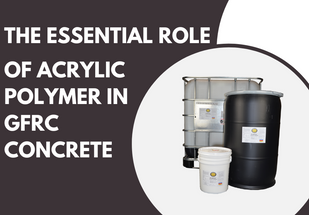
High-performance acrylic polymers such as KongKrete™ GFRC Polymer help improve strength, workability, durability, and long-term performance in modern GFRC mixes. These advanced polymer-modified concrete systems have become an essential component in architectural precast concrete, decorative concrete, and concrete countertop production. These polymers are available as wet emulsions or dry redispursable powder
In this article, we will explore why acrylic polymer is such an important part of GFRC mix design and how it helps produce stronger, lighter, and more durable concrete products.
Understanding GFRC Concrete
Before diving into the importance of acrylic polymer, it is important to understand what GFRC concrete is and why it has become increasingly popular in modern construction and design.
GFRC is a composite material made from cement, sand, water, alkali-resistant glass fibers, and specialized admixtures. The result is a lightweight yet incredibly strong concrete capable of achieving excellent tensile and flexural strength while allowing for thinner castings than traditional concrete.
This unique combination of properties makes GFRC ideal for:
- Architectural wall panels
- Concrete countertops
- Sinks and vanities
- Furniture
- Fireplaces
- Decorative concrete elements
- Lightweight architectural precast panels
Modern GFRC mix designs often incorporate acrylic polymer technology to further improve durability, reduce permeability, and enhance overall performance.
Why Acrylic Polymer Is Critical in GFRC Mix Design
Acrylic polymer is often referred to as the “secret ingredient” in high-performance GFRC concrete. It dramatically improves both the fresh mix properties and long-term durability of the finished concrete.
Here are some of the most important benefits of using acrylic polymer in GFRC:
1. Enhanced Flexibility and Durability
Acrylic polymer acts as a bonding agent between the cement matrix and the glass fibers, creating a stronger and more flexible composite material. This improved bond helps reduce cracking while increasing resistance to stress, vibration, and environmental movement.
The result is a more durable concrete product capable of handling demanding applications both indoors and outdoors.
2. Improved Workability
Acrylic polymer improves the workability and cohesiveness of GFRC mixes, making them easier to spray, cast, and shape into complex forms.
Many professional fabricators use high-solids acrylic polymers to improve sprayability, reduce sag in face coats, and create denser architectural concrete panels with fewer surface defects.
This improved workability allows for greater creative freedom when producing custom architectural elements and decorative concrete pieces.
3. Reduced Weight
One of the major advantages of GFRC is its lightweight nature compared to traditional concrete. Acrylic polymer helps maintain structural integrity while allowing for thinner sections and reduced overall density.
This makes GFRC easier to transport, install, and support structurally, especially in large architectural panel applications.
4. Enhanced Resistance to Moisture and Chemicals
Acrylic polymer significantly improves the resistance of GFRC to moisture intrusion, alkali attack, and environmental exposure.
By reducing permeability, polymer-modified GFRC remains structurally sound and aesthetically attractive even in demanding environments.
This makes GFRC an excellent choice for exterior architectural cladding, wet environments, and decorative concrete installations.
5. Improved Surface Finish and Aesthetics
Acrylic polymer contributes to smoother surface finishes and improved consistency throughout the concrete matrix.
This allows fabricators to create highly refined architectural surfaces with customized colors, textures, and patterns while minimizing pinholes and surface defects.
For concrete artisans producing countertops, sinks, and furniture, polymer technology can play a major role in achieving professional-quality finishes.
6. Elimination of Traditional 7-Day Wet Cure
One of the most valuable production advantages of acrylic polymer is its ability to eliminate the need for traditional 7-day wet curing.
This allows fabricators to strip molds faster, improve production efficiency, and reduce labor and storage requirements.
For commercial GFRC operations, this can significantly accelerate production schedules.
7. Improved Cement Hydration
Acrylic polymer also assists in the hydration process of concrete by promoting more efficient interaction between cement and water.
Improved hydration contributes to:
- Increased strength
- Better durability
- Reduced shrinkage
- Lower permeability
- Improved long-term performance
Choosing the Right Polymer for GFRC
Not all acrylic polymers are designed specifically for GFRC applications. High-quality all-acrylic polymers can significantly improve flexural strength, reduce permeability, minimize shrinkage cracking, and improve long-term durability.
When selecting a polymer for GFRC, important characteristics include:
- High solids content
- UV stability
- Alkali resistance
- Freeze stability
- Low foaming properties
- Compatibility with high-shear mixing systems
Products such as KongKrete™ GFRC Polymer are specifically engineered to meet the demanding requirements of modern architectural concrete production.
You can also explore our full line of GFRC materials and admixtures designed for concrete countertops, architectural precast, and decorative concrete applications.
Applications of GFRC with Acrylic Polymer
The combination of GFRC and acrylic polymer opens up a wide range of possibilities in construction and design.
Architectural Façades
GFRC panels reinforced with acrylic polymer are commonly used for exterior building cladding because they combine lightweight performance with long-term durability and aesthetic versatility.
Concrete Countertops and Sinks
The lightweight nature of GFRC combined with modern polymer technology has made it one of the most popular systems for producing custom concrete countertops, sinks, vanities, and furniture.
These systems allow fabricators to create durable, lightweight pieces with exceptional detail and finish quality.
Decorative and Architectural Elements
GFRC reinforced with acrylic polymer is frequently used to create:
- Moldings
- Sculptures
- Fireplace surrounds
- Decorative wall panels
- Architectural trim
- Ornamental concrete details
The improved flexibility and durability of polymer-modified GFRC make it ideal for intricate and artistic applications.
Frequently Asked Questions About GFRC Polymer
What does acrylic polymer do in GFRC?
Acrylic polymer improves strength, flexibility, durability, workability, and moisture resistance while reducing cracking and permeability in GFRC concrete.
Does GFRC require polymer?
Most professional GFRC mix designs use acrylic polymer because it significantly improves both fresh mix performance and long-term durability.
What is the best polymer for GFRC?
High-solids all-acrylic polymers designed specifically for GFRC applications generally provide the best performance, durability, and compatibility with modern mix designs.
Can acrylic polymer reduce cracking in concrete?
Yes. Acrylic polymer helps reduce shrinkage and improves the flexibility of the concrete matrix, which can significantly reduce cracking and map cracking.
Conclusion
Acrylic polymer plays a critical role in modern GFRC mix design. From improving flexural strength and durability to reducing cracking and enhancing workability, acrylic polymers help transform GFRC into one of the most versatile and high-performance concrete systems available today.
Whether producing architectural panels, concrete countertops, sinks, furniture, or decorative precast elements, the right polymer can dramatically improve both production efficiency and long-term performance.
As GFRC technology continues to evolve, high-performance acrylic polymers like KongKrete™ GFRC Polymer will remain an essential component in achieving stronger, lighter, denser, and more durable concrete.